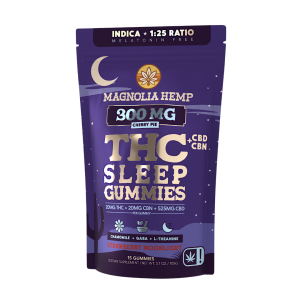
In the rapidly expanding world of hemp, two compounds have gained significant attention for their unique properties: Cannabinol (CBN) and Cannabidiol (CBD). While both are derived from the cannabis plant, they interact with the body in distinct ways and offer different sensory experiences.
Understanding the nuances between CBN and CBD is essential for anyone looking to incorporate hemp-derived products into their daily routine.
What is CBD?
Cannabidiol (CBD) is a primary non-intoxicating compound found abundantly in hemp. It is widely recognized for its versatility and its role in supporting general wellness without the “high” typically associated with THC.
The Profile of CBD
- Non-Psychoactive: CBD does not produce a “high” or any intoxicating effects.
- Use: It is commonly used throughout the day to support a sense of balance.
- Interactions: CBD interacts with the body’s endocannabinoid system (ECS), a network that plays a role in maintaining internal homeostasis.
How It Works
CBD primarily influences the ECS indirectly. Rather than binding tightly to receptors, it is thought to encourage the body’s natural ability to maintain balance and optimize the function of various regulatory systems.
What is CBN?
Cannabinol (CBN) is a minor compound that is formed as THC ages and breaks down over time. It is often referred to as a “degradation product.” While it is derived from THC, its properties are very different.
The Profile of CBN
- Mildly Sedating: Many users associate CBN with evening use and a sense of deep relaxation.
- Origin: It is typically found in higher concentrations in older hemp plant material that has been exposed to oxygen and light.
- Interaction: It has a unique affinity for specific receptors that differs from CBD.
How It Works
CBN is believed to interact more directly with certain receptors in the ECS compared to CBD. This direct interaction is likely why users describe the experience of CBN as more “physical” or “grounding” compared to the broad balancing effects of CBD.
Key Differences at a Glance
| Feature | CBD (Cannabidiol) | CBN (Cannabinol) |
| Origin | Found naturally in fresh hemp plants. | Formed when THC is exposed to heat and light. |
| Typical Use | Daily balance and general wellness. | Evening routines and relaxation. |
| Experience | Clear-headed and non-intoxicating. | Deeply relaxing and mildly sedating. |
| System Interaction | Indirectly influences the ECS. | More direct receptor interaction. |
The “Entourage Effect”
It is important to note that these compounds often work best together. When CBD and CBN are combined with other plant elements like terpenes (the aromatic oils of the plant), they can produce what is known as the “Entourage Effect.” This theory suggests that the various elements of the hemp plant work in synergy to provide a more comprehensive experience than any single compound used in isolation.
Which One Fits Your Lifestyle?
Choosing between CBD and CBN often comes down to the time of day and your personal goals:
- Reach for CBD if you want to support your overall wellness during the day while staying focused and clear-headed.
- Reach for CBN if you are looking to wind down in the evening or are seeking a more relaxing, body-focused experience before bed.